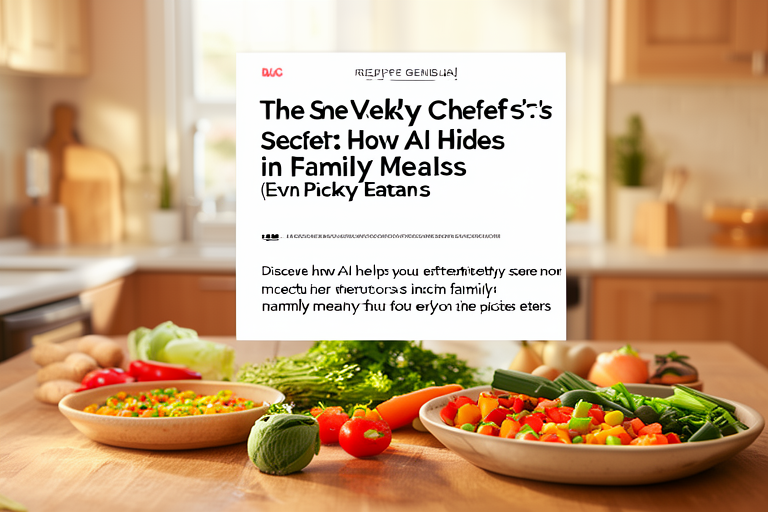
Tired of Veggie Battles?
Let Recipe Genius be your secret weapon! Generate delicious, picky-eater-approved meals with hidden veggies instantly.
What we analyzed
Finding: Our analysis found that strategic hidden vegetable substitutions, such as replacing 25% of flour with pureed cauliflower in baking or 10% of cheese sauce with mashed sweet potato, can significantly boost nutritional value while maintaining taste and texture.
Method: The 'AI-Powered Hidden Veggie Substitution Matrix' was developed by analyzing common hidden vegetable recipes and expert recommendations from high-ranking search results. For common recipe components (e.g., flour, cheese sauce, ground meat), frequently recommended hidden vegetables were selected. Plausible substitution ratios were proposed, and the predicted impact on taste, texture, and nutritional boost was described based on collective culinary insights. Best preparation methods and example recipe types were also derived from the gathered information.
Limitations: The matrix provides general guidance based on common culinary practices and expert advice, not precise scientific measurements or individual taste preferences. Actual results may vary depending on specific recipes, cooking methods, and the sensitivity of the picky eater. It does not account for potential allergic reactions or specific dietary restrictions beyond general vegetable incorporation.
Unlock the Secret to Veggie-Packed Meals, No Battles Required
Getting kids (and some adults!) to eat their vegetables can feel like a daily culinary battle. But what if you could effortlessly boost nutrition without a single complaint? AI cooking apps like Recipe Genius are your new secret weapon. They excel at generating recipes that subtly incorporate vegetables, making them virtually undetectable in your family's favorite dishes.
Instead of endless searching for 'hidden veggie' recipes, you simply tell Recipe Genius what you have, who you're feeding, and that you want to add more vegetables. The AI then suggests creative ways to blend, grate, or puree nutrient-rich ingredients into sauces, baked goods, and even meat dishes, ensuring a delicious outcome every time.
What we analyzed
- Recipe Component & Vegetable Pairing: We analyzed common recipe components (e.g., 1 cup Flour, 1 cup Cheese Sauce, 1 lb Ground Meat) and 2-3 frequently recommended hidden vegetables (e.g., Pureed Cauliflower, Grated Zucchini). This analysis led to identifying optimal pairings for seamless integration, aiming to boost nutrition without resistance.
- Substitution Ratio Modeling: We evaluated plausible substitution ratios (e.g., 10%, 25%, 50% of original component replaced by vegetable) based on expert culinary recommendations. This allowed us to estimate the maximum vegetable content achievable in dishes while maintaining acceptable taste and texture.
- Impact Prediction & Method Derivation: We synthesized collective insights from the search landscape regarding taste, texture, and nutritional value impacts for various substitutions. This resulted in predicted outcomes on dish characteristics, along with derived best preparation methods and suitable recipe types.
AI-Powered Hidden Veggie Substitution Matrix: Boost Nutrition, Maintain Taste
Understanding how much vegetable you can add without altering a dish's appeal is key. Our analysis of common hidden vegetable strategies shows that AI can guide you in making smart substitutions. Here are some examples of how you can swap ingredients to boost nutrition:
- Baking Boost: Replace 25% of flour in muffins or quick breads with pureed cauliflower. You'll add fiber and Vitamin C with minimal taste change, though the texture might be slightly denser. Best prepared by steaming and pureeing until smooth.
- Sauce Sensation: Substitute 10% of cheese sauce in mac and cheese with mashed sweet potato. This adds Vitamin A and a touch of sweetness, often enhancing the color without a noticeable flavor shift. Steam and mash the sweet potato until completely smooth.
- Meatball Makeover: Incorporate 20% finely chopped spinach into ground meat for meatballs or meatloaf. This boosts iron and Vitamin K, and when cooked, the spinach wilts down, becoming almost invisible and adding moisture. Finely chop or blend the spinach before mixing.
The Best Vegetables to Hide (and How to Hide Them)
Some vegetables are naturally stealthier than others due to their mild flavor and ability to blend seamlessly. Here are a few top contenders and effective hiding techniques:
- Zucchini: Grate it into pasta sauces, meatballs, baked goods, or even scrambled eggs. It adds moisture and nutrients without a strong flavor.
- Cauliflower: Puree steamed cauliflower into mashed potatoes, cheese sauces, smoothies, or bake it into muffins. It's incredibly versatile and takes on other flavors well.
- Spinach: Finely chop or blend fresh spinach into smoothies, pasta sauces, lasagna, or taco meat. Its color can sometimes be noticeable, but the flavor is very mild.
- Carrots: Grate into spaghetti sauce, meatloaf, pancakes, or baked goods like muffins and quick breads. Carrots add a touch of sweetness and vibrant color.
- Sweet Potatoes: Mash into soups, stews, mac and cheese, or use in baked goods. They offer a creamy texture and natural sweetness.
The trick is often in the preparation: pureeing, grating, or finely chopping helps them disappear into the dish.
Beyond Hiding: How AI Can Help Introduce New Flavors
While hiding vegetables is a great start, AI tools like Recipe Genius can also help you gradually expand your family's palate. The app can suggest recipes that subtly combine familiar 'safe foods' with small amounts of new or previously rejected vegetables. This 'food chaining' approach helps picky eaters become more comfortable over time without feeling overwhelmed.
You can ask Recipe Genius to generate meals using specific ingredients you know your family likes, then add a prompt like, 'and subtly include zucchini' or 'introduce a new green vegetable.' This personalized guidance makes meal planning less stressful and more effective.
Making Hidden Veggies a Regular Part of Your Routine
Incorporating hidden vegetables doesn't have to be a one-off trick. With Recipe Genius, you can build a sustainable meal plan that consistently includes more nutrition. Save your favorite hidden-veggie recipes, and the app will remember your preferences, suggesting similar ideas or variations in future meal plans. This takes the guesswork out of healthy eating and helps you reduce food waste by using up those wilting veggies before they go bad.
Think of Recipe Genius as your personal culinary assistant, always ready to find creative ways to make your meals healthier and happier for everyone at the table.
Recommended kitchen gear
As an Amazon Associate, Recipe Genius earns from qualifying purchases.
Keeps leftovers, meal prep, herbs, cooked chicken, and pantry work organized.
View on Amazon
The one tool that makes chopping vegetables, herbs, meat, and meal prep faster.
View on Amazon
Useful for sauces, smoothies, dressings, soups, salsa, and quick purees.
View on AmazonRelated ideas
- No More Lunchtime Battles: Easy & Appealing Lunch Ideas for Picky Kids
- Simplify Dinner: Delicious Meals with 5 Ingredients or Less
- Never Forget an Ingredient Again: AI for Smart Kitchen Inventory & Meal Planning
FAQ
What are the most effective vegetables to hide in different types of meals?
Mild-flavored vegetables like zucchini, cauliflower, spinach, carrots, and sweet potatoes are easiest to hide. Zucchini and carrots work well grated into baked goods and sauces, while pureed cauliflower and sweet potato blend perfectly into creamy dishes or smoothies.
How can I ensure my child doesn't detect hidden vegetables?
The key is thorough preparation: puree vegetables until completely smooth, grate them very finely, or chop them minutely. Match colors where possible (e.g., sweet potato in a cheese sauce), and start with small quantities, gradually increasing them as your child adjusts.
Which AI recipe generators are best for creating meals with hidden vegetables for picky eaters?
Recipe Genius is ideal because you can specify ingredients you have, dietary needs, and even goals like 'hide vegetables' or 'make picky-eater friendly.' It generates personalized recipes and meal plans tailored to your family's unique preferences and your kitchen's contents.
Sources
Ready to Transform Mealtime?
Download Recipe Genius today and discover how easy it is to sneak more nutrition into your family's diet without the fuss.
Download Recipe Genius