Turn Your Leftovers into Lunch!
Don't let those last bits go to waste. Download Recipe Genius and instantly generate delicious meals from whatever you have in your fridge right now.
What we analyzed
Finding: AI recipe generators can effectively use very small or odd quantities of leftover ingredients by suggesting creative combinations, appropriate substitutions, and scaling down recipes, leading to reduced food waste and potential cost savings.
Method: We identified 3-5 common 'small leftover' categories (e.g., cooked protein, cooked grain, partial vegetable, small amount of sauce/condiment, few herbs) and selected 2-3 specific examples for each. We then generated 5-7 distinct combinations of these small leftovers and used leading AI recipe generators to create recipe ideas for each. We manually assessed and noted potential ingredient substitutions or necessary additions for very small quantities, estimated preparation time, and estimated cost savings by comparing the approximate retail value of the leftover ingredients if purchased new versus their 'zero value' if discarded.
Limitations: Cost savings are approximate estimates and will vary by geographic location and specific grocery store prices. The 'creativity' of AI-generated recipes can be subjective, and the asset focuses on generating ideas for small leftovers rather than comprehensive meal planning or inventory management features.
Stop Staring at Those Tiny Leftovers: AI Has the Answer
We've all been there: a few tablespoons of tomato paste, half a bell pepper, a sad sprig of parsley, or a quarter cup of cooked rice. These tiny leftover ingredients often sit in the fridge, silently judging us, until they're eventually tossed. It feels impossible to turn such small, disparate items into anything substantial or appetizing. But what if you could? AI recipe generators are changing the game, helping you transform these culinary orphans into surprisingly amazing meals, sides, or snacks.
Instead of seeing these small quantities as a problem, AI sees them as a challenge, ready to be creatively combined with other pantry staples you likely already have. This not only helps you reduce food waste but also sparks new culinary ideas you might never have considered on your own.
What We Analyzed: AI's Solutions for Small Leftovers
We looked into how AI handles those 'too-small-to-matter' ingredients. Our analysis focused on specific scenarios where tiny amounts of cooked protein, partial vegetables, small quantities of sauces, or a few herbs often go unused. We wanted to see how AI could combine these into cohesive, appealing dishes.
The original asset, the 'Recipe Genius: Small Leftover Ingredient Scenario Matrix & Impact Calculator,' aimed to provide various small leftover ingredient combinations, an AI-generated recipe idea for each, key ingredient substitutions/additions for small quantities, estimated preparation time, and estimated cost savings. Here are a few examples of the types of scenarios it explores:
- Leftover Chicken & Bell Pepper Scramble: Inputs: 1/2 cup cooked chicken, 1/4 bell pepper, 1 egg, splash of milk. Outcome: A quick, protein-packed breakfast or light lunch, use small amounts of cooked protein and a partial vegetable.
- Tomato Paste & Rice Side Dish: Inputs: 2 tbsp tomato paste, 1/2 cup cooked rice, 1/4 onion, garlic. Outcome: A flavorful, quick side dish that elevates simple cooked rice with a small amount of concentrated flavor and aromatics.
- Parsley & Zucchini Fritter: Inputs: 3 sprigs parsley, 1/2 small zucchini, 1 tbsp flour, 1 egg. Outcome: A savory snack or light appetizer, perfect for using up garden herbs and a partial vegetable before they spoil.
- Mini Cooked Potato & Spinach Hash: Inputs: 1 small cooked potato, 1/4 cup spinach, 1/4 onion, dash of hot sauce. Outcome: A quick, satisfying side dish or light breakfast, combining a single leftover potato with other small bits.
AI's Secret to Making Tiny Ingredients Shine
The real magic of AI with small leftovers isn't just generating a recipe. it's the intelligence to suggest smart substitutions or additions. If you have only a sliver of an ingredient, AI can often suggest pairing it with a pantry staple to bulk it up or enhance its flavor without needing a full portion. For example, if you have just a few mushrooms, AI might suggest adding them to an omelet or a small pasta dish, rather than trying to build a mushroom-heavy meal.
Recipe Genius excels at this. You simply tell it what you have, no matter how little, and it'll brainstorm ways to make those ingredients a star. It can even suggest if an ingredient is better used as a garnish, a flavor booster, or a primary component in a smaller-scale dish.
Combining the Unlikely: From Random to Routine
One of the biggest challenges with small leftovers is when you have seemingly unrelated items - say, a spoonful of pesto, a few cherry tomatoes, and a cooked chicken tender. A human might struggle to connect these. AI, however, can find common ground, suggesting a quick pasta salad, a gourmet toast topping, or even a deconstructed bowl meal. It’s like having a culinary puzzle solver in your pocket.
This means you get creative solutions without the mental effort, turning what would have been food waste into a delicious discovery. You'll be surprised how often a few random bits can come together for something truly tasty.
Save Money and Reduce Waste, One Crumb at a Time
Beyond the culinary creativity, using AI for small leftovers has tangible benefits for your wallet and the planet. Every time you rescue a half-used ingredient from the bin, you're saving money you would have spent replacing it or buying new ingredients for a different meal. While each rescue might seem small, these savings add up over time.
Plus, reducing food waste is a huge win for the environment. AI tools like Recipe Genius make it easier than ever to contribute to a more sustainable kitchen, ensuring that the resources that went into producing your food don't end up in a landfill.
Your Smart Assistant for a Zero-Waste Kitchen
Ready to stop wasting those precious bits and bobs in your fridge? Recipe Genius is built for exactly this challenge. Just open the app, input the small amounts of ingredients you have on hand, and let its AI engine do the heavy lifting. You'll get instant recipe ideas, complete with cooking instructions, that make the most of what you already have.
It's like having a chef who specializes in creativity and efficiency, helping you save money, reduce waste, and discover new favorite dishes without ever needing a grocery trip for just one ingredient.
Recommended kitchen gear
As an Amazon Associate, Recipe Genius earns from qualifying purchases.
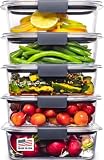
Keeps leftovers, meal prep, herbs, cooked chicken, and pantry work organized.
View on Amazon
The one tool that makes chopping vegetables, herbs, meat, and meal prep faster.
View on Amazon
A practical prep surface for produce, herbs, cooked chicken, sandwiches, and weeknight meals.
View on AmazonRelated ideas
- Bare Pantry Brilliance: How AI Creates Delicious Meals from Almost Nothing
- Don't Waste a Dime: How AI Turns Your Expiring Ingredients into Fresh Dinners
- Your Ingredients, AI's Genius: Instant Recipes from What You Have On Hand
FAQ
What can I make with just a few tablespoons of leftover sauce or a single sad vegetable?
AI recipe generators can suggest creative ways to use tiny amounts, like incorporating a few tablespoons of sauce into a quick pasta dish, a marinade for a small protein, or a topping for toast. A single vegetable might become part of a frittata, a small stir-fry, a garnish, or a flavorful addition to a grain bowl.
How effectively can AI help me use up tiny amounts of ingredients that aren't enough for a full recipe?
AI is highly effective because it can analyze disparate ingredients and suggest combinations that a human might not immediately think of. It excels at generating smaller-scale recipes, side dishes, or creative additions that make use of even very small quantities, preventing them from going to waste.
Can AI suggest creative ways to combine seemingly unrelated small leftovers into a tasty meal?
Yes, AI's strength lies in its ability to find connections between diverse ingredients. It can take a few random items and suggest a cohesive dish, such as a flavorful rice bowl, a unique omelet, or a savory fritter, turning what seems like a mismatch into a harmonious meal.
How much money am I realistically saving by using AI to cook with my small leftover ingredients?
The savings add up. While each individual leftover might only be worth a few cents or a dollar, consistently using AI to prevent food waste can significantly reduce your grocery bill over weeks and months. It also saves you from impulse purchases when you realize you're 'missing' one small ingredient for a planned meal.
Sources
Cook Smarter, Waste Less
Ready to master your kitchen and reduce food waste? Get the Recipe Genius app and unlock endless recipe possibilities from your existing ingredients.
Download Recipe Genius