Turn Pantry Staples into Dinner Tonight!
Got a full pantry but no dinner ideas? Recipe Genius uses AI to generate delicious recipes from the ingredients you already have. Get creative with what's in your kitchen.
Why Make Your Own Ketchup?
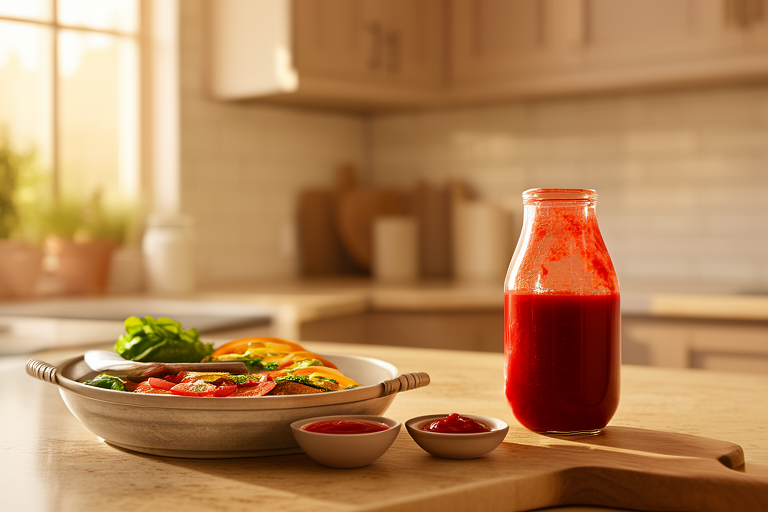
Making your own ketchup is a simple step towards a healthier pantry and a more flavorful kitchen. Store-bought ketchups often contain high-fructose corn syrup, artificial flavors, and preservatives that you might prefer to avoid. When you make it yourself, you control every ingredient, from the type of tomatoes to the amount of sweetness and spice. The result is a vibrant, fresh-tasting condiment that elevates everything from fries to burgers, and you know exactly what went into it.
It's also surprisingly easy and doesn't require any special equipment beyond a pot and a blender or immersion blender. Plus, the satisfaction of serving something you made from scratch is a reward in itself.
The Basic Ingredients You'll Need
You don't need a long list of exotic items to make great ketchup. Most of what you need is likely already in your pantry or easily found at any grocery store. Here's a quick rundown of the essentials:
- Tomatoes: Canned crushed tomatoes or tomato paste work wonderfully for convenience and consistent flavor. You can also use fresh, ripe tomatoes when they're in season.
- Vinegar: Apple cider vinegar or white vinegar provides the essential tangy kick.
- Sweetener: Granulated sugar, brown sugar, maple syrup, or honey are common choices. Adjust to your taste.
- Aromatics: Onion and garlic, usually in powdered form, add depth.
- Spices: Salt, black pepper, and a pinch of allspice or cloves are classic. You can also add paprika or a touch of cayenne for warmth.
Simple Steps to Your Best Homemade Ketchup
The process for homemade ketchup is quite straightforward. You'll be surprised how quickly it comes together:
- Sauté Aromatics: If using fresh onion and garlic, gently cook them in a little oil until softened. If using powders, you'll add them later.
- Combine Ingredients: Add your tomatoes, vinegar, sweetener, and spices to a saucepan. Stir everything together.
- Simmer: Bring the mixture to a gentle simmer over medium heat. Reduce the heat to low and let it cook, uncovered, for 30-60 minutes. This allows the flavors to meld and the ketchup to thicken. Stir occasionally to prevent sticking.
- Blend: Once thickened, remove the pan from the heat. Carefully blend the mixture until smooth using an immersion blender directly in the pot, or transfer it to a regular blender. Be cautious when blending hot liquids.
- Adjust Seasoning: Taste your ketchup and adjust salt, sweetness, or tanginess as needed. If it's too thick, add a tiny bit of water. If it's too thin, simmer a little longer.
- Cool and Store: Let the ketchup cool completely before transferring it to airtight jars or bottles.
Customizing Your Ketchup: Flavor Variations
The beauty of making ketchup at home is the freedom to experiment. Once you have the basic recipe down, you can play with different flavor profiles:
- Spicy Ketchup: Add a pinch of cayenne pepper, red pepper flakes, or a dash of hot sauce during the simmering stage.
- Smoky Ketchup: A tiny amount of smoked paprika or a drop of liquid smoke can give your ketchup a BBQ-like flavor.
- Herbaceous Ketchup: Experiment with dried herbs like oregano, basil, or thyme for an Italian twist.
- Sweet & Tangy: Use brown sugar or maple syrup for a richer sweetness, or add a little extra apple cider vinegar for more zing.
- Garlic Lover's Ketchup: Increase the amount of garlic powder, or use fresh minced garlic sautéed at the start.
Storing Your Homemade Ketchup Safely
Proper storage is key to enjoying your homemade ketchup. Because it lacks the heavy preservatives of commercial brands, its shelf life is shorter:
- Refrigeration: Store your ketchup in clean, airtight jars or bottles in the refrigerator. It will typically last for about 2-3 weeks. Always use a clean spoon to dispense it to avoid contamination.
- Freezing: For longer storage, you can freeze homemade ketchup in freezer-safe containers or ice cube trays for up to 3 months. Thaw in the refrigerator before using.
- Canning: If you want to make larger batches for shelf-stable storage, you'll need to follow proper water bath canning procedures. This involves specific acidity levels and processing times to ensure safety. For beginners, refrigerating or freezing is the easiest option.
Recipe Genius: Your Partner in DIY Pantry Projects
Making pantry staples like homemade ketchup is a fantastic way to take control of your kitchen. Recipe Genius can help you with all your DIY pantry projects and beyond. You can use the app to log your homemade ketchup as an ingredient you have on hand, then generate recipe ideas that pair perfectly with it. Or, if you're out of a specific spice for your ketchup, you can use Recipe Genius to find substitutes. It's like having a helpful kitchen assistant that knows what you have and how to make the most of it, whether it's a batch of homemade sauce or random ingredients in your fridge.
Beyond Ketchup: More DIY Pantry Staples
Once you've mastered homemade ketchup, you might find yourself inspired to tackle other DIY pantry projects. There are so many common items you can make from scratch, often with better flavor and fewer questionable ingredients. Think about homemade spice blends, salad dressings, or even pancake mix. Each homemade item you add to your pantry gives you more control over what you eat and often tastes far superior to its store-bought counterpart. It's a rewarding journey towards a more intentional and delicious kitchen.
Recommended kitchen gear
As an Amazon Associate, Recipe Genius earns from qualifying purchases.

Keeps homemade mixes, dressings, baking, rice, and seasonings consistent.
View on Amazon
Useful for sauces, smoothies, dressings, soups, salsa, and quick purees.
View on Amazon
Keeps leftovers, meal prep, herbs, cooked chicken, and pantry work organized.
View on AmazonRelated ideas
- Homemade Ranch Seasoning Mix: Skip the Store-Bought Packet
- Homemade Chili Seasoning Mix: Better Flavor, No Mystery Ingredients
- Pantry Staples for Eating Less Processed Food: Stock Your Kitchen Smartly
- DIY Chicken Broth from Scraps: Easy, Flavorful, and Waste-Free
FAQ
Is homemade ketchup healthier than store-bought?
Yes, homemade ketchup is generally healthier because you control the ingredients, allowing you to reduce sugar content, avoid high-fructose corn syrup, and skip artificial additives and preservatives commonly found in commercial brands.
How long does homemade ketchup last in the fridge?
When stored in an airtight container in the refrigerator, homemade ketchup typically lasts for about 2 to 3 weeks. For longer storage, you can freeze it for up to 3 months.
Can I make homemade ketchup without sugar?
Absolutely. You can reduce or omit sugar entirely, or use natural sweeteners like a small amount of maple syrup, honey, or a sugar substitute to taste. The flavor will be more tart, but still delicious.
What kind of tomatoes are best for homemade ketchup?
Canned crushed tomatoes or tomato paste are excellent and convenient choices for a consistent flavor and texture. If using fresh, very ripe plum or Roma tomatoes work well due to their lower water content and rich flavor.
Simplify Meal Prep with AI
Beyond homemade sauces, Recipe Genius helps you plan meals, create shopping lists, and cook with guided instructions. Download the app and transform your cooking.
Download Recipe Genius