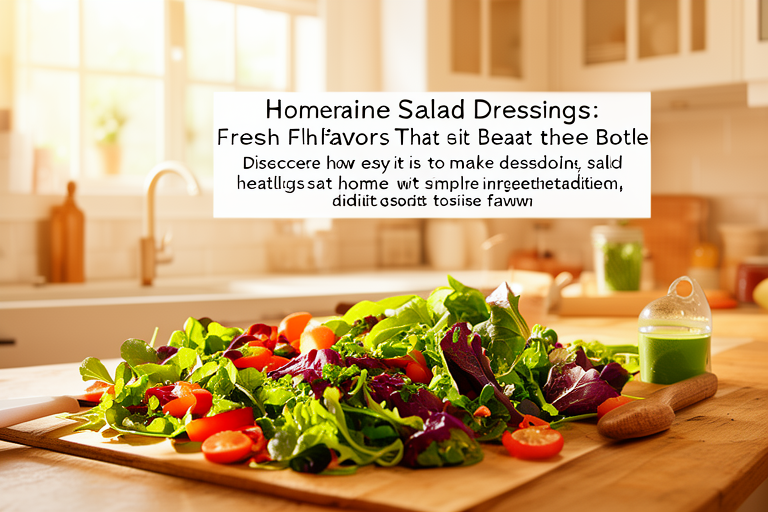
Ditch the Bottle, Get Fresh Flavors
Generate custom salad dressing recipes using the ingredients you already have with Recipe Genius. Download the app today!
Why Homemade Dressings Are Always Better
Making your own salad dressing at home is a simple change that makes a huge difference. You get to control every ingredient, meaning no weird preservatives, excessive sugar, or unhealthy oils often found in store-bought bottles. The flavors are brighter, fresher, and you can customize them to perfectly match your meal or your mood.
It's also incredibly cost-effective. Many store-bought dressings are expensive for what they are. With just a few pantry staples, you can whip up a gourmet-tasting dressing that’s healthier and more delicious.
The Basic Vinaigrette Formula: Your Starting Point
A classic vinaigrette is the easiest place to start, and it’s super versatile. The basic ratio is 3 parts oil to 1 part acid, but you can adjust it to your taste. Here's how:
- Oil: Extra virgin olive oil is a favorite, but you can use avocado oil or grapeseed oil for a milder flavor.
- Acid: Apple cider vinegar, red wine vinegar, balsamic vinegar, or fresh lemon juice are all great choices.
- Flavor Boosters: Don't forget a pinch of salt and black pepper. A spoonful of Dijon mustard helps emulsify the dressing and adds a nice tang. You can also add minced garlic, shallots, or a touch of honey or maple syrup for sweetness.
Just whisk everything together vigorously in a bowl, shake it in a jar, or even blend it for a creamier texture. Taste and adjust seasonings as you go.
Creamy Dressings Without the Guilt
If you love creamy dressings but want to avoid the heavy ingredients, there are fantastic homemade alternatives. Instead of relying on mayonnaise or sour cream, try these bases:
- Greek Yogurt: It's naturally tangy and thick, making it perfect for ranch or Caesar-style dressings. Mix it with herbs, garlic powder, onion powder, and a splash of milk to thin it if needed.
- Avocado: Blend ripe avocado with a bit of water or lime juice, and your favorite herbs and spices. It creates a rich, velvety texture that's packed with healthy fats.
- Tahini: This sesame paste makes a wonderful base for earthy, nutty dressings. Whisk it with lemon juice, water, garlic, and a touch of salt.
These options give you that satisfying creamy texture without extra additives.
Flavor Boosters and Creative Variations
Once you master the basics, the possibilities are endless. Think about what flavors you love and how they might work in a dressing:
- Herbs: Fresh dill, parsley, cilantro, chives, or basil chopped finely add incredible aroma and taste.
- Spices: Cumin, paprika, chili powder, or a dash of curry powder can transform a simple dressing.
- Citrus Zest: Lemon, lime, or orange zest brightens up any dressing.
- Sweetness: A tiny bit of honey, maple syrup, or agave nectar can balance out the acidity.
- Umami: A dash of soy sauce, Worcestershire sauce, or nutritional yeast adds a savory depth.
Don't be afraid to experiment! Use Recipe Genius to generate ideas for dressings based on the herbs, spices, and liquids you have in your pantry right now.
Storing Your Homemade Creations for Freshness
Homemade dressings don't have the long shelf life of their store-bought counterparts because they lack preservatives. Store them in an airtight container, like a mason jar, in the refrigerator.
- Vinaigrettes: Typically last for about 1-2 weeks.
- Creamy Dressings (with dairy/avocado): Usually best within 3-5 days.
Always give your dressing a good shake or whisk before using, as natural separation is normal. If it smells off or looks discolored, it's best to discard it.
Beyond Salads: Other Uses for Homemade Dressings
Your homemade dressings aren't just for salads. They are incredibly versatile! Think of them as flavor-packed sauces or marinades:
- Marinades: A vinaigrette makes an excellent marinade for chicken, fish, or vegetables before grilling or roasting.
- Grain Bowls: Drizzle over quinoa, farro, or rice bowls for an instant flavor boost.
- Dipping Sauce: Serve thicker creamy dressings with raw vegetables, pita bread, or chicken tenders.
- Sandwich Spreads: A creamy herb dressing can elevate a simple sandwich or wrap.
- Roasted Vegetables: Toss roasted veggies with a vinaigrette after they come out of the oven for an extra layer of flavor.
Stop Buying, Start Making with Recipe Genius
Ready to ditch the bottle and embrace fresh, homemade flavor? Making your own salad dressings is a simple step towards a healthier, more flavorful kitchen. And with Recipe Genius, it’s even easier. Just tell the app what ingredients you have, and it can suggest creative dressing ideas or full meal recipes that incorporate your homemade concoctions. Imagine having a personalized chef suggesting the perfect dressing for your next meal!
Recommended kitchen gear
As an Amazon Associate, Recipe Genius earns from qualifying purchases.

The one tool that makes chopping vegetables, herbs, meat, and meal prep faster.
View on Amazon
A practical prep surface for produce, herbs, cooked chicken, sandwiches, and weeknight meals.
View on Amazon
The easiest way to avoid overcooked chicken, pork, beef, turkey, and fish.
View on AmazonRelated ideas
- Homemade Granola: Easy, Healthy, and No Weird Ingredients
- Homemade Baking Mix: Your Secret for Faster, Healthier Baked Goods
- DIY Chicken Broth from Scraps: Easy, Flavorful, and Waste-Free
- Pantry Staples for Eating Less Processed Food: Stock Your Kitchen Smartly
FAQ
How long do homemade salad dressings last in the fridge?
Homemade vinaigrettes typically last 1-2 weeks in an airtight container in the refrigerator. Creamy dressings made with dairy or fresh avocado are best consumed within 3-5 days for optimal freshness and safety.
Can I use homemade dressing as a marinade?
Absolutely! Many homemade vinaigrettes make fantastic marinades for chicken, fish, pork, or vegetables. The acid helps tenderize, and the oil and seasonings infuse flavor. Just make sure to discard any marinade that has been in contact with raw meat.
What are the essential ingredients for a basic homemade dressing?
For a basic vinaigrette, you'll need oil (like olive oil), an acid (like vinegar or lemon juice), salt, and pepper. From there, you can add Dijon mustard for emulsification, minced garlic, or fresh herbs to build more complex flavors.
Why do my homemade dressings separate?
Separation is completely normal for homemade dressings, especially vinaigrettes. Unlike store-bought versions, they don't contain emulsifiers to keep the oil and water-based ingredients blended. Just give your dressing a good shake or whisk before each use to recombine everything.
Transform Your Pantry with Recipe Genius
Ready to make more from scratch? Let Recipe Genius help you discover new DIY pantry staples and delicious meals tailored to your kitchen.
Download Recipe Genius