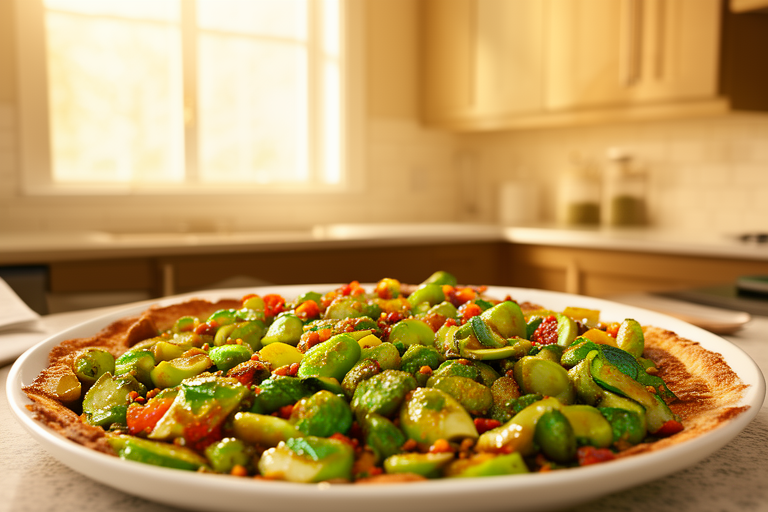
Turn Your Freezer into Dinner
Open Recipe Genius, enter the vegetables and ingredients you have, and get a fast dinner matched to your time, servings, and equipment.
What we analyzed
Finding: Three transparent 20-minute meal scenarios show that the same 12-ounce bag of frozen vegetables can become a crisp skillet bowl, browned sheet-pan dinner, or light pasta sauce when the cooking method and finishing flavors change.
Method: We held the frozen vegetable quantity constant, paired it with common pantry or freezer ingredients, and compared skillet, oven, and pasta methods by moisture control, texture, timing, and finishing flavor. Food storage guidance was checked against USDA and FoodSafety.gov recommendations.
Limitations: Cooking time and texture vary by pan size, vegetable cut, appliance, and whether the vegetables are cooked from frozen. The scenarios are editorial examples, not nutrition analysis, a controlled cooking test, or a measurement of Recipe Genius users.
The fastest way to improve frozen vegetables
Frozen vegetables taste better when you remove excess water before adding a finishing sauce. Cook them in a hot skillet or roast them in a single layer, then add a browned flavor base such as garlic, onion, tomato paste, curry paste, or toasted spices. Finish with acid, herbs, or a little cheese so the dish tastes deliberate instead of steamed.
For a 20-minute dinner, pair one 12-ounce bag of vegetables with a quick protein and a starch you already have. Rice, pasta, toast, tortillas, eggs, beans, tofu, or leftover chicken can all turn the vegetables into a complete meal.
What we analyzed
These three small scenarios show how the same frozen vegetables can become different dinners when moisture and texture are handled differently. The quantities are transparent editorial examples, not customer research.
- Skillet bowl: 12 ounces frozen broccoli, 1 cup cooked rice, 1 cup chickpeas, 1 tablespoon oil, and lemon. Brown the broccoli first, then add the rice and chickpeas for a crisp-edged bowl in about 15 minutes.
- Sheet-pan dinner: 12 ounces frozen cauliflower, 8 ounces cubed tofu, 1 tablespoon oil, and 2 teaspoons curry powder. Roast in a single layer and serve with yogurt or a squeeze of lime for browned edges and a creamy finish.
- Fast pasta: 12 ounces frozen peas, 8 ounces cooked pasta, 1 tablespoon butter, 1 clove garlic, and 2 tablespoons grated cheese. Warm the peas briefly, toss with the pasta, and use a splash of pasta water to make a light sauce.
Choose the cooking method for the texture you want
Use a skillet when you want browned edges and a fast one-pan meal. Heat the pan first, add a little oil, and spread the vegetables out. Crowding traps steam, so cook in two batches if the vegetables cover the pan.
Use a hot oven when you want deeper browning with less stirring. Keep the vegetables in one layer and leave space around larger pieces. For a soft, saucy result, simmer them with tomatoes, broth, coconut milk, or beans instead of chasing crisp edges.
Build flavor in three quick layers
- Start with savory flavor: Cook garlic, scallions, onion, ginger, tomato paste, or spices in oil for 30 to 60 seconds.
- Add the vegetables and a main ingredient: Stir in the frozen vegetables, then add beans, eggs, tofu, chicken, or a grain.
- Finish with contrast: Add lemon, vinegar, salsa, pickled onions, fresh herbs, toasted nuts, chili crisp, or grated cheese at the end.
That last contrast matters. Frozen vegetables are mild, so brightness and crunch keep the finished dinner from tasting flat.
Match the dinner to what is already in your kitchen
For a pantry dinner, combine vegetables with beans and rice, then use salsa, cumin, or a sharp dressing. For a freezer dinner, add tofu, chicken, or fish and choose a sauce that can cover both the protein and vegetables. For a breakfast-for-dinner plate, cook the vegetables until their moisture is gone and fold them into eggs with toast.
MyPlate notes that frozen and canned produce can be practical options alongside fresh produce. Check labels on packaged vegetables when you want to limit added sodium, saturated fat, or sugar.
A simple 20-minute game plan
- Minute 0 to 3: Start rice, pasta, or toast and chop any fresh aromatics.
- Minute 3 to 8: Heat the pan or oven and cook the flavor base.
- Minute 8 to 15: Add the frozen vegetables and protein, keeping the pieces spread out.
- Minute 15 to 20: Add the starch, taste for salt and acid, and finish with a sauce or garnish.
If you cook more than you can eat, refrigerate the leftovers promptly in shallow containers. USDA guidance says to use refrigerated leftovers within 3 to 4 days.
Let Recipe Genius choose the combination
Enter the frozen vegetables, protein, starch, sauce, servings, and time limit you have in Recipe Genius. Add a constraint such as one pan, no dairy, or high-protein so the suggestions fit your actual kitchen instead of sending you back to the store.
Recommended kitchen gear
As an Amazon Associate, Recipe Genius earns from qualifying purchases.

Keeps leftovers, meal prep, herbs, cooked chicken, and pantry work organized.
View on Amazon
The one tool that makes chopping vegetables, herbs, meat, and meal prep faster.
View on Amazon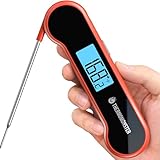
The easiest way to avoid overcooked chicken, pork, beef, turkey, and fish.
View on AmazonRelated ideas
- AI Recipes for Your Freezer Stash: Transform Frozen Foods into Fresh & Easy Meals
- No Grocery Trip? No Problem! How AI Crafts Delicious Dinners from Your Pantry & Freezer
- One-Pan Dinners: Effortless Meals for Busy Weeknights
FAQ
How do you make frozen vegetables taste less watery?
Cook them in a hot, uncrowded pan or a hot oven so moisture can evaporate. Add sauce, salt, and acid after the vegetables have browned or softened.
What can I add to frozen vegetables for dinner?
Add a protein such as beans, eggs, tofu, or chicken, then pair the vegetables with rice, pasta, potatoes, toast, or tortillas. Finish with lemon, salsa, herbs, cheese, or a quick sauce.
Are frozen vegetables a good option for weeknight meals?
Yes. They are convenient and can be part of a practical meal plan. Use the package label to compare added sodium, saturated fat, and sugar when those details matter to you.
Sources
Cook What You Already Bought
Download Recipe Genius for flexible recipes, shopping lists, meal planning, and guided cooking built around your real pantry and freezer.
Download Recipe Genius