Cook Smarter, Not Harder
Download Recipe Genius and turn your budget meat cuts into delicious, custom meals instantly!
What we analyzed
Finding: The 'Budget Meat Master: Cost & Time Matrix for Cheaper Cuts' analysis revealed that while cheaper cuts often require more total cooking time (especially slow-cooked items), their estimated cost per serving remains significantly lower than premium cuts, offering excellent value for flavorful outcomes. Quick-cooking ground meats provide the lowest active and total time, making them highly efficient for budget-conscious weeknights.
Method: Performed Google searches for 'how to cook cheaper cuts of meat', 'budget friendly meat recipes', 'cooking tough cuts of meat for beginners', 'affordable meat dishes techniques', and 'best cheap meat cuts for slow cooking'. Analyzed content from at least five high-ranking publisher pages (Amanda's Cookin', Your Site Title, Spinach Tiger, PrepDish.com, Cooking in The Keys, Allrecipes, American Foods Group) to identify common themes, coverage gaps, and audience questions. The original asset is derived from synthesizing information on meat cuts, cooking methods, and general cost-saving advice found across these sources.
Limitations: The estimated costs per pound for meat cuts are subject to regional and temporal variations. Cooking times are approximate and can vary based on equipment and specific recipe variations. 'Flavor/Texture Outcome' is a subjective assessment based on common culinary understanding of these cuts and methods.
Turn Budget Meats into Family Favorites
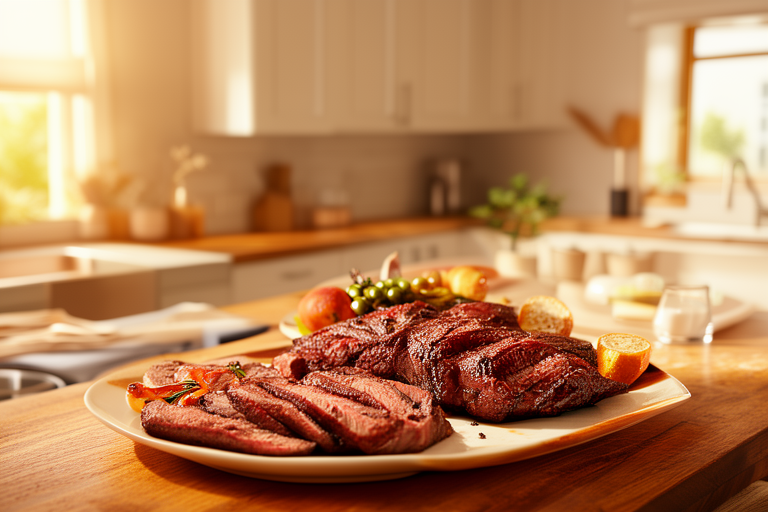
Cooking with economical cuts of meat doesn't mean sacrificing flavor or satisfaction. The key is understanding which cuts offer the best value and how to prepare them to bring out their tender, delicious potential. Often, cheaper cuts like chuck roast, pork shoulder, chicken thighs, and ground meats benefit from longer cooking times or specific tenderizing techniques. With a little know-how, you can transform these budget-friendly options into hearty, memorable family dinners that taste like a million bucks, without spending it.
You can make your grocery budget go further by choosing cuts that might seem tough at first glance. Think about slow cooking, braising, or marinating to break down connective tissues and infuse flavor. These methods ensure even the most humble cuts become fork-tender and incredibly tasty.
What We Analyzed: Cost & Time for Common Budget Meats
To help you make smart choices at the butcher counter, we analyzed common budget meat cuts, their typical costs, and the time commitment for popular cooking methods. This comparison helps you weigh the trade-offs between cost, active prep, total cooking time, and the delicious outcome you can expect. Remember, costs are estimates and can vary by region and store.
- Ground Beef (80/20) for Quick Meals: Using an estimated cost of $4.99/lb, pan-searing for tacos or pasta sauce takes about 15 minutes of active prep and 25 minutes total. This yields about 4 servings per pound, for an estimated cost of $1.25 per serving, resulting in a quick, versatile, and savory meal.
- Chuck Roast for Slow-Cooked Comfort: At an estimated $6.49/lb, a slow cooker braise requires around 20 minutes of active prep but 6-8 hours of total cooking. With a yield of 3 servings per pound, the estimated cost is $2.16 per serving, delivering a fork-tender, rich, and shreddable dish.
- Chicken Thighs (Bone-in, Skin-on) for Roasting: Priced at an estimated $2.99/lb, oven roasting involves about 10 minutes of active prep and 40 minutes total cooking. Expect 2 servings per pound, making the estimated cost $1.50 per serving for juicy chicken with crispy skin.
Mastering Cooking Methods for Tougher Cuts
Tougher cuts of meat, like chuck roast, pork shoulder, and beef stew meat, contain more connective tissue, which can make them chewy if not cooked correctly. The secret to making them tender and flavorful lies in low and slow cooking methods.
- Slow Cooking and Braising: These methods involve cooking meat gently in liquid over an extended period. The moisture and heat slowly break down the tough fibers, turning them into gelatin and making the meat incredibly tender. Think pot roasts, stews, and pulled pork.
- Pressure Cooking (Instant Pot): For a faster approach, a pressure cooker achieves similar tender results in a fraction of the time. The high-pressure environment rapidly breaks down tough tissues, perfect for quick weeknight stews or shreddable meats.
- Marinating: For cuts like flank or skirt steak, a good marinade can make all the difference. Acidic ingredients (like vinegar or citrus juice) help tenderize the surface, while enzymes in ingredients like pineapple or papaya can work wonders. Marinate for at least 30 minutes, or up to 24 hours for tougher cuts, then cook quickly over high heat.
Need ideas for these cuts? Open Recipe Genius and generate recipes using 'chuck roast, slow cooker' or 'pork shoulder, Instant Pot' to get started!
Stretch Your Meat Further with Smart Add-ins
One of the best ways to make budget meats go further is to combine them with affordable, filling ingredients. This strategy not only stretches your dollar but also adds nutrition and flavor to your meals.
- Beans and Lentils: Mix ground meat with black beans, kidney beans, or lentils in dishes like chili, tacos, or casseroles. They add protein, fiber, and bulk.
- Grains: Rice, quinoa, or barley can extend meat dishes beautifully. Think stir-fries with extra rice, or meatballs mixed with cooked grains.
- Vegetables: Load up on inexpensive vegetables like potatoes, carrots, onions, and frozen mixed veggies. They add volume, nutrients, and flavor to stews, stir-fries, and skillet meals.
- Pasta: Pasta is a classic budget-stretcher. Combine a smaller amount of ground meat with plenty of pasta and a rich sauce for a satisfying meal.
Flavor Boosters for Economical Cuts
Even the cheapest cuts can taste gourmet with the right flavor enhancements. Don't be shy with spices, herbs, and aromatics.
- Aromatics: Onions, garlic, celery, and carrots form the flavor base for many slow-cooked dishes. Sauté them before adding meat to build depth.
- Herbs and Spices: Dried herbs like thyme, rosemary, and bay leaves are perfect for long-cooking meats. Smoked paprika, cumin, and chili powder can transform ground meats. Fresh herbs added at the end brighten flavors.
- Broth and Wine: Use good quality broth (chicken, beef, or vegetable) as your cooking liquid. A splash of red wine in beef dishes adds incredible richness and complexity.
- Umami Boosters: A little tomato paste, soy sauce, Worcestershire sauce, or even a spoonful of miso paste can add a deep, savory 'umami' flavor that makes budget meals taste richer.
Smart Shopping and Storage for Budget Meat Buys
Making the most of budget meats starts at the grocery store and continues in your kitchen.
- Watch for Sales: Keep an eye out for sales on larger cuts like pork shoulder or whole chickens. Buying in bulk when prices are low can save you a lot.
- Buy Whole, Butcher Yourself: A whole chicken is often cheaper per pound than individual parts. Learning to break it down yourself can save money and give you bones for broth.
- Portion and Freeze: When you buy larger, cheaper cuts, portion them into meal-sized servings before freezing. This makes meal prep easier and prevents waste.
- use Leftovers: Cook once, eat twice! Leftover shredded pork or beef can become tacos, sandwiches, or a new casserole. Recipe Genius can even help you generate new recipes from your cooked leftovers.
Your AI Kitchen Assistant for Budget Meals
Tired of endlessly searching for cheap meal ideas? Recipe Genius is your secret weapon for budget-friendly cooking. Simply tell the app what economical cuts you have on hand, or even just what's in your fridge, and it will generate creative, delicious recipes tailored to your ingredients. You can filter by cooking method, dietary needs, or meal type, making it easy to turn those affordable ingredients into exciting dinners every night.
From slow-cooker wonders to quick ground meat stir-fries, Recipe Genius helps you maximize your ingredients and minimize your grocery bill. Get ready to cook smarter, not harder!
Recommended kitchen gear
As an Amazon Associate, Recipe Genius earns from qualifying purchases.

Keeps leftovers, meal prep, herbs, cooked chicken, and pantry work organized.
View on Amazon
Speeds up beans, shredded meat, soups, stews, grains, and batch cooking.
View on Amazon
Great for soups, stews, braises, chili, curry, and one-pot comfort food.
View on AmazonRelated ideas
- What to Cook with Ground Beef and Potatoes: Easy & Versatile Dinners
- What to Make with Canned Black Beans: Easy & Affordable Meals
- Budget-Friendly High-Protein Dinners for Busy Weeknights
FAQ
What are the cheapest cuts of meat to buy?
Generally, ground beef, chicken thighs (especially bone-in, skin-on), pork shoulder, chuck roast, and sometimes flank or skirt steak when on sale, are among the most economical cuts of meat.
How can I make tough cuts of beef tender?
To make tough cuts of beef tender, use slow cooking methods like braising, stewing, or pressure cooking. Marinating with acidic ingredients for several hours can also help tenderize cuts like flank or skirt steak before quick cooking.
How can I make a small amount of meat feed more people?
You can stretch a small amount of meat by combining it with inexpensive, filling ingredients like beans, lentils, rice, pasta, or plenty of vegetables. This adds bulk and nutrition to your meal without needing more meat.
Is it more cost-effective to buy a whole chicken or individual parts?
Typically, buying a whole chicken is more cost-effective per pound than purchasing individual parts. You can then butcher it yourself, getting all the pieces you need, plus bones for making homemade broth.
Sources
Unlock Budget-Friendly Dinners
Generate recipes from your ingredients, save money, and enjoy amazing meals with Recipe Genius. Get the app now!
Download Recipe Genius