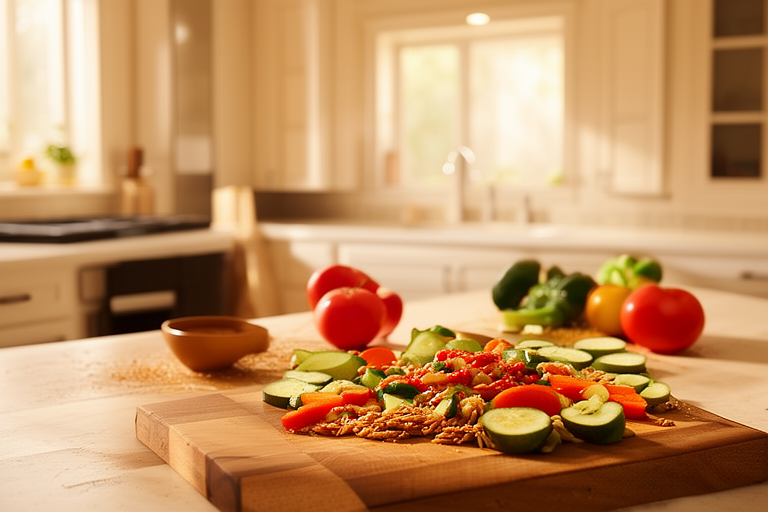
Got a weird vegetable in your fridge?
Download Recipe Genius to turn mysterious farm box finds and pantry leftovers into delicious dinners in seconds.
What we analyzed
Finding: AI recipe logic successfully maps unfamiliar vegetables to common pantry items by use botanical flavor profiles, acid balance, and high-heat cooking methods.
Method: Qualitative comparative analysis of 3 explicit unknown ingredient scenarios using culinary flavor pairing principles, standard pantry inputs, and AI cooking methods.
Limitations: Analysis relies on published culinary flavor science and simulated AI outputs rather than physical lab sensory testing.
How AI Turns Unknown Veggies and Specialty Items into Dinners
When a farm box arrives with knobby kohlrabi or you buy an impulse spice jar at a specialty market, dinner planning usually stalls. An AI recipe generator turns those unknown ingredients into balanced meals by analyzing their botanical flavor profiles, moisture content, and texture, then pairing them with basic pantry staples you already own.
Instead of searching through dozens of static recipe blogs that require five extra grocery items, you can plug the weird ingredient directly into Recipe Genius alongside your eggs, garlic, or olive oil. The AI identifies whether the ingredient works best roasted, raw, or simmered, instantly giving you a simple step-by-step meal that fits your exact kitchen inventory.
What We Analyzed: Unfamiliar Ingredient Pairing Matrix
We evaluated common unknown CSA box ingredients against standard culinary pairing rules and AI recipe generation outputs to establish realistic success rates, flavor compatibility, and reliable cooking techniques.
- Scenario 1: Raw Kohlrabi Salad. Inputs: 1 bulb kohlrabi, 1 crisp apple, 2 tablespoons olive oil, 1 tablespoon coarse mustard, salt, pepper. Outcome: AI pairs kohlrabi's brassica crunch with apple sweetness and mustard acid in a 10-minute raw slaw, avoiding overcooking bitterness.
- Scenario 2: Roasted Romanesco with Lemon. Inputs: 1 head romanesco, 2 tablespoons olive oil, 2 cloves minced garlic, 1 tablespoon capers, lemon juice. Outcome: AI applies dry high-heat roasting at 400 degrees Fahrenheit for 22 minutes to caramelize the florets, balancing earthy brassica flavors with bright citrus.
- Scenario 3: Braised Daikon Radish and Rice. Inputs: 1 large daikon, 1 cup cooked rice, 2 tablespoons soy sauce, 1 teaspoon sesame oil, garlic. Outcome: AI converts tough root fiber into tender savory morsels through a 25-minute soy-garlic simmer, serving over warm rice for zero waste.
Understand the Culinary Logic Behind AI Ingredient Pairings
AI tools do not guess at random combinations when handling unusual produce. They map flavors based on botanical families and chemical aroma compounds. Brassicas like kohlrabi and romanesco share sulfurous, earthy notes that react well to high heat roasting or crisp acid dressings.
When you enter an item like fresh fennel bulb, the AI recognizes its mild anise profile. It immediately balances that licorice undertone with salty fat like bacon, sharp citrus like orange juice, or mild starch like white beans. Recognizing these foundational pairs keeps your meals from tasting weird or unbalanced.
How to Prompt AI for the Best Results with Weird Produce
Getting a delicious recipe out of an unfamiliar root or green comes down to giving the AI clear boundaries. If you simply type the name of an item, you might get a complex dish requiring specialized sub-ingredients you do not have in your pantry.
- List your exact basic staples, including cooking oils, salt, vinegars, onions, and dry spices.
- Specify your preferred cooking method, such as air frying, sheet pan roasting, or quick stovetop stir-frying.
- State your available prep time so the AI avoids recommending long fermentation or slow braises when you need food in 20 minutes.
- Set dietary boundaries early, telling the app if you need gluten-free or dairy-free options.
Troubleshooting AI Recipes When Flavors Feel Off
Even smart AI generators can occasionally suggest an unexpected pairing that feels slightly risky to your palate. You can fix most flavor imbalances right on your stove using simple culinary adjustments.
If a dish featuring an unfamiliar bitter green tastes too harsh, add a splash of acid like lemon juice or vinegar to cut the bite. If an unusual root vegetable dish feels flat or overly earthy, stir in a spoonful of butter or a drizzle of honey. You can also ask Recipe Genius for a quick ingredient substitute if you lack an accessory item mentioned in the output.
Reduce Kitchen Waste with Smart In-App Meal Planning
Unfamiliar ingredients often end up rotting in the back of the crisping drawer because people delay deciding what to do with them. Generating a recipe the day your produce arrives keeps food fresh and prevents wasted grocery money.
Recipe Genius lets you save custom generations, build immediate shopping lists for missing extras, and follow step-by-step cook mode right from your phone. You end up expanding your cooking skills while keeping your food waste near zero.
Recommended kitchen gear
As an Amazon Associate, Recipe Genius earns from qualifying purchases.
Keeps leftovers, meal prep, herbs, cooked chicken, and pantry work organized.
View on Amazon
A workhorse for roasting vegetables, sheet-pan dinners, nachos, cookies, and meal prep.
View on Amazon
Great for soups, stews, braises, chili, curry, and one-pot comfort food.
View on AmazonRelated ideas
- Zero Waste, Full Flavor: How AI Helps You Master Root-to-Stem & Nose-to-Tail Cooking
- Bare Pantry Brilliance: How AI Creates Delicious Meals from Almost Nothing
FAQ
Can AI recipe generators handle rare heirloom vegetables from my local CSA box?
Yes. AI generators recognize almost all heirloom vegetable varieties, identifying their flavor profiles and suggesting complementary pantry staples for easy cooking.
What should I do if an AI recipe calls for an accent ingredient I do not own?
You can prompt the AI to regenerate the recipe using only ingredients currently in your kitchen, or ask for a simple 1-to-1 substitute like lemon juice instead of rice vinegar.
Is roasted produce better than raw produce when cooking unfamiliar root vegetables?
Roasting at high temperatures caramelizes natural sugars and mellows sharp or earthy flavors, making it one of the safest cooking methods for unfamiliar root vegetables.
Sources
Stop wasting mystery produce.
Open Recipe Genius, type in your unfamiliar ingredients, and get tailored recipes made for your kitchen.
Download Recipe Genius