
Turn Your Holiday List into a Cooking Plan
Open Recipe Genius, enter your guests, menu, ingredients, and kitchen limits, and get practical recipes and prep ideas built around your real Thanksgiving.
What we analyzed
Finding: A menu-first inventory check and one planned leftover meal create a practical way to reduce duplicate purchases without requiring an exact universal portion formula.
Method: We organized the planning process around guest count, shared dishes, existing ingredients, package sizes, and a defined second use for leftovers. Storage guidance was cross-checked against USDA Food Safety and Inspection Service and EPA household food-waste guidance.
Limitations: Appetites, menus, package sizes, and family traditions vary. The checklist is an editorial planning framework, not a catering calculation, nutrition analysis, or measurement of Recipe Genius users.
Start with the menu, not the supermarket aisle
Write the dishes first, then list the ingredients under each one. Mark every ingredient as buy, already have, or optional. This simple pass catches duplicate onions, broth, butter, herbs, and baking staples before they land in the cart.
Keep the menu realistic. One main dish, two or three sides, a sauce or gravy, and one dessert is enough for a satisfying table. Adding more dishes can make the shopping list—and the leftover problem—grow faster than the number of people eating.
Count guests and portions before buying
Separate the guest count into adults, children, and people who are bringing a dish. Then note which foods need generous portions and which are small tastes. A family-size side does not need to be multiplied by every person if several other sides are being served.
For a practical planning worksheet, write the number of guests beside each dish and add a small buffer only to the foods you most want leftover. That is more precise than adding an extra package to every ingredient.
Audit the pantry and freezer
Check flour, sugar, spices, oil, stock, canned cranberry sauce, foil, parchment, and freezer bags before shopping. Look in the freezer for vegetables, bread, or stock that can fill a supporting role. Use older ingredients first when their quality and storage dates make that reasonable.
Move the ingredients you plan to use into one visible shelf or bin. A visible staging area turns your inventory into a reminder and makes it less likely that a duplicate package gets purchased.
Give leftovers a job before the meal begins
Choose one follow-up meal for the main leftovers before you shop: turkey sandwiches, a soup, a hash, or a grain bowl. Add only the small finishing ingredients that meal needs, such as bread, broth, greens, tortillas, or a sharp sauce. Planning the second use makes the first shopping list more intentional.
Keep foods that you want to repurpose separate when possible. Turkey, vegetables, potatoes, gravy, and cranberry sauce are easier to transform when they are stored in labeled containers instead of mixed together.
Shop in two passes
Buy shelf-stable ingredients and freezer items first, then purchase perishables closer to the meal. Check the list again after each store section and cross off substitutions immediately. If a package size is larger than you need, record the planned leftover use rather than assuming it will disappear.
For food safety, refrigerate perishable leftovers within two hours and use refrigerated leftovers within 3 to 4 days, or freeze them for longer storage, according to USDA guidance.
Let Recipe Genius turn the list into a plan
Enter your guest count, menu, ingredients already on hand, oven space, and leftover preferences into Recipe Genius. It can help turn the list into recipes, a prep sequence, and a follow-up meal plan without making you start from an empty page.
A five-minute final check
- Count the guests and confirm who is bringing food.
- Check the pantry, refrigerator, freezer, and serving supplies.
- Group duplicate ingredients across recipes.
- Choose one intentional leftover meal.
- Write storage containers and labels on the prep list.
A shorter, checked list is usually more useful than a larger list built from memory.
Recommended kitchen gear
As an Amazon Associate, Recipe Genius earns from qualifying purchases.

Keeps leftovers, meal prep, herbs, cooked chicken, and pantry work organized.
View on Amazon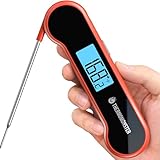
The easiest way to avoid overcooked chicken, pork, beef, turkey, and fish.
View on Amazon
A practical prep surface for produce, herbs, cooked chicken, sandwiches, and weeknight meals.
View on AmazonRelated ideas
- A 3-Day Thanksgiving Leftover Meal Plan That Won't Feel Repetitive
- Simple Ways to Reduce Food Waste at Home
- Shop Smarter, Waste Less: How AI Crafts Your Perfect Anti-Waste Grocery List
FAQ
How do I avoid buying too much Thanksgiving food?
Write the menu, count guests, check your pantry and freezer, combine duplicate ingredients, and give planned leftovers a specific second meal.
What should I check before making a holiday grocery list?
Check spices, flour, sugar, oil, broth, canned goods, frozen vegetables, foil, parchment, storage containers, and any ingredients guests said they will bring.
How long are Thanksgiving leftovers safe in the refrigerator?
USDA guidance says to use refrigerated leftovers within 3 to 4 days. Freeze portions sooner if you will not eat them in that window.
Sources
Shop Once, Cook with Less Stress
Download Recipe Genius for flexible recipes, smart shopping lists, meal planning, and guided cooking that adapts to what you already have.
Download Recipe Genius