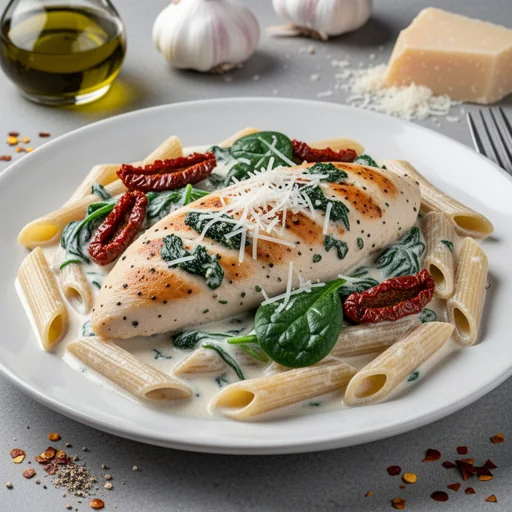
Creamy Tuscan Chicken Pasta
Make Creamy Tuscan Chicken Pasta, an Italian-American dinner recipe with boneless, skinless chicken breasts, penne pasta, olive oil. It has about 35 min, about 680 calories per serving. Get ingredients, step-by-step instructions, nutrition estimates, FAQs, and Recipe Genius app tools.
Quick answer
Creamy Tuscan Chicken Pasta is an Italian-American dinner recipe that takes about 35 min, makes 4 servings, has about 680 calories per serving. Use the ingredients and steps below, or open it in Recipe Genius for guided Cook Mode, timers, serving changes, and a shopping list.
Recommended gear
As an Amazon Associate, Recipe Genius earns from qualifying purchases.

The one tool that makes chopping vegetables, herbs, meat, and meal prep faster.
View on Amazon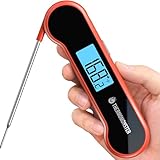
The easiest way to avoid overcooked chicken, pork, beef, turkey, and fish.
View on Amazon
Useful for searing, crisp edges, stovetop-to-oven meals, hash, and quick dinners.
View on AmazonCreamy Tuscan Chicken Pasta ingredients
- 1.5 lbs boneless, skinless chicken breasts
- 12 oz penne pasta
- 2 tbsp olive oil
- 4 cloves garlic
- 0.5 cup sun-dried tomatoes (oil-packed)
- 5 oz fresh spinach
- 1 cup chicken broth
- 1.5 cups heavy cream
- 0.75 cup Parmesan cheese
- 1 tsp salt
- 0.5 tsp black pepper
- 0.25 tsp red pepper flakes
Watch how to make Creamy Tuscan Chicken Pasta
Follow the key cooking steps, then use the full instructions below for measurements and timing.
How to make Creamy Tuscan Chicken Pasta
- Cook the 12 ounces of penne pasta according to package directions in a large pot of salted boiling water until al dente. Before draining, reserve 1 cup of the starchy pasta water. Drain the pasta and set aside.
- While the pasta cooks, slice the 1.5 pounds of chicken breasts horizontally to create thinner cutlets, about 1/2-inch thick. Season both sides with 1 teaspoon of salt and 1/2 teaspoon of black pepper.
- Heat 2 tablespoons of olive oil in a large skillet or Dutch oven over medium-high heat. Add the seasoned chicken cutlets and sear for 3-4 minutes per side, until golden brown and cooked through (internal temperature reaches 165°F/74°C). Remove the chicken from the skillet and set aside on a plate.
- Reduce the heat to medium. Add 4 minced garlic cloves and 1/2 cup of chopped sun-dried tomatoes (drained from oil) to the same skillet. Sauté for 1-2 minutes until fragrant, scraping up any browned bits from the bottom of the pan.
- Pour in 1 cup of chicken broth, bringing it to a gentle simmer. Continue to scrape the bottom of the pan to deglaze and incorporate all the flavorful bits.
- Stir in 1.5 cups of heavy cream, 3/4 cup of grated Parmesan cheese, and 1/4 teaspoon of red pepper flakes (if using). Bring the sauce to a low simmer and cook for 3-5 minutes, stirring occasionally, until it thickens slightly.
- Add the 5 ounces of fresh spinach to the skillet and cook, stirring, for 2-3 minutes or until the spinach has fully wilted into the sauce.
- Slice the cooked chicken breasts into strips or cubes. Return the sliced chicken to the skillet with the sauce.
- Finally, add the drained penne pasta to the skillet. Toss everything together until the pasta and chicken are well coated in the creamy Tuscan sauce. If the sauce seems too thick, add a splash or two of the reserved pasta water until it reaches your desired consistency.
- Serve the Creamy Tuscan Chicken Pasta immediately, garnished with extra Parmesan cheese or fresh basil if desired.
Creamy Tuscan Chicken Pasta FAQ
How do I make Creamy Tuscan Chicken Pasta?
Make Creamy Tuscan Chicken Pasta by gathering the ingredients below, following the step-by-step instructions, and checking that everything is cooked safely before serving.
What ingredients are in Creamy Tuscan Chicken Pasta?
The main ingredients include boneless, skinless chicken breasts, penne pasta, olive oil, garlic, sun-dried tomatoes (oil-packed). The full ingredient list is included on this page.
How long does Creamy Tuscan Chicken Pasta take?
This recipe takes about 35 min, depending on prep speed and kitchen equipment.
How many calories are in Creamy Tuscan Chicken Pasta?
Recipe Genius estimates about 680 calories per serving. Nutrition is estimated, so use your own labels when precision matters.
More recipes you might like
Browse related collections
Cook smarter with Recipe Genius
Generate recipes, build meal plans, and create shopping lists with Recipe Genius.