Rescue dinner faster next time
Recipe Genius helps you generate backup recipe ideas and shopping lists from the ingredients you already have.
First: dilute when you can
If the dish has liquid, dilution is usually the cleanest fix. Add unsalted broth, water, crushed tomatoes, cream, coconut milk, or more of the main ingredient.
For soups and stews
- Add unsalted liquid a little at a time.
- Add potatoes, beans, noodles, rice, or extra vegetables.
- Finish with acid like lemon juice or vinegar to balance flavor.
For sauces
Add an unsalted version of the base: tomatoes for tomato sauce, cream for cream sauce, butter for pan sauce, or pasta water if the sauce can handle it. If it becomes too thin, simmer gently to reduce.
For rice or grains
Cook a second small batch with no salt and mix it in. If there is no time, fold in unsalted vegetables, egg, beans, or a mild sauce.
For meat
Slice it thin and serve with unsalted sides. A salty protein can become a topping for rice bowls, salads, tacos, potatoes, or pasta.
The potato myth
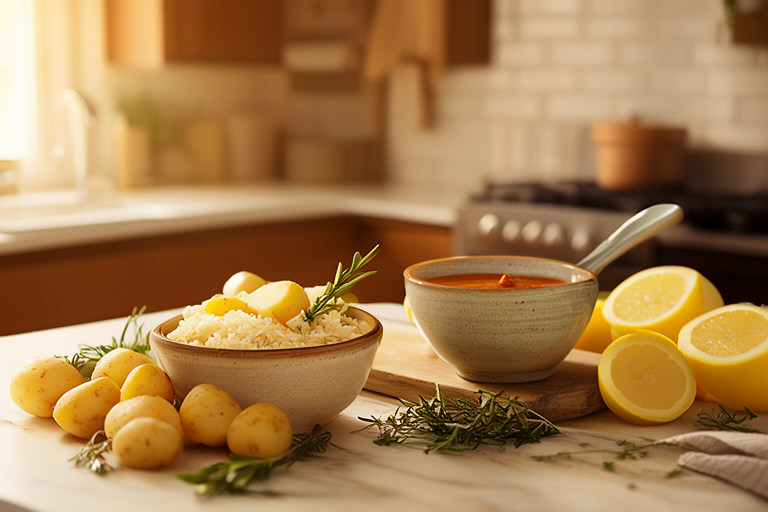
A potato can absorb salty liquid, but it also absorbs water and flavor. It is not magic. Adding more unsalted food works better.
Recommended kitchen gear
As an Amazon Associate, Recipe Genius earns from qualifying purchases.

The one tool that makes chopping vegetables, herbs, meat, and meal prep faster.
View on Amazon
Great for soups, stews, braises, chili, curry, and one-pot comfort food.
View on Amazon
Takes the guesswork out of rice, grains, bowls, fried rice prep, and meal planning.
View on AmazonRelated ideas
FAQ
Does sugar fix salty food?
Sugar can balance sharpness, but it does not remove salt. Use it carefully and only when sweetness fits the dish.
Does acid fix salty food?
Acid can make salt feel less harsh, especially in soups and sauces, but dilution or adding unsalted ingredients is still the real fix.
Need a backup dinner?
Open Recipe Genius, enter what you have, and generate a new plan without wasting the ingredients.
Download Recipe Genius